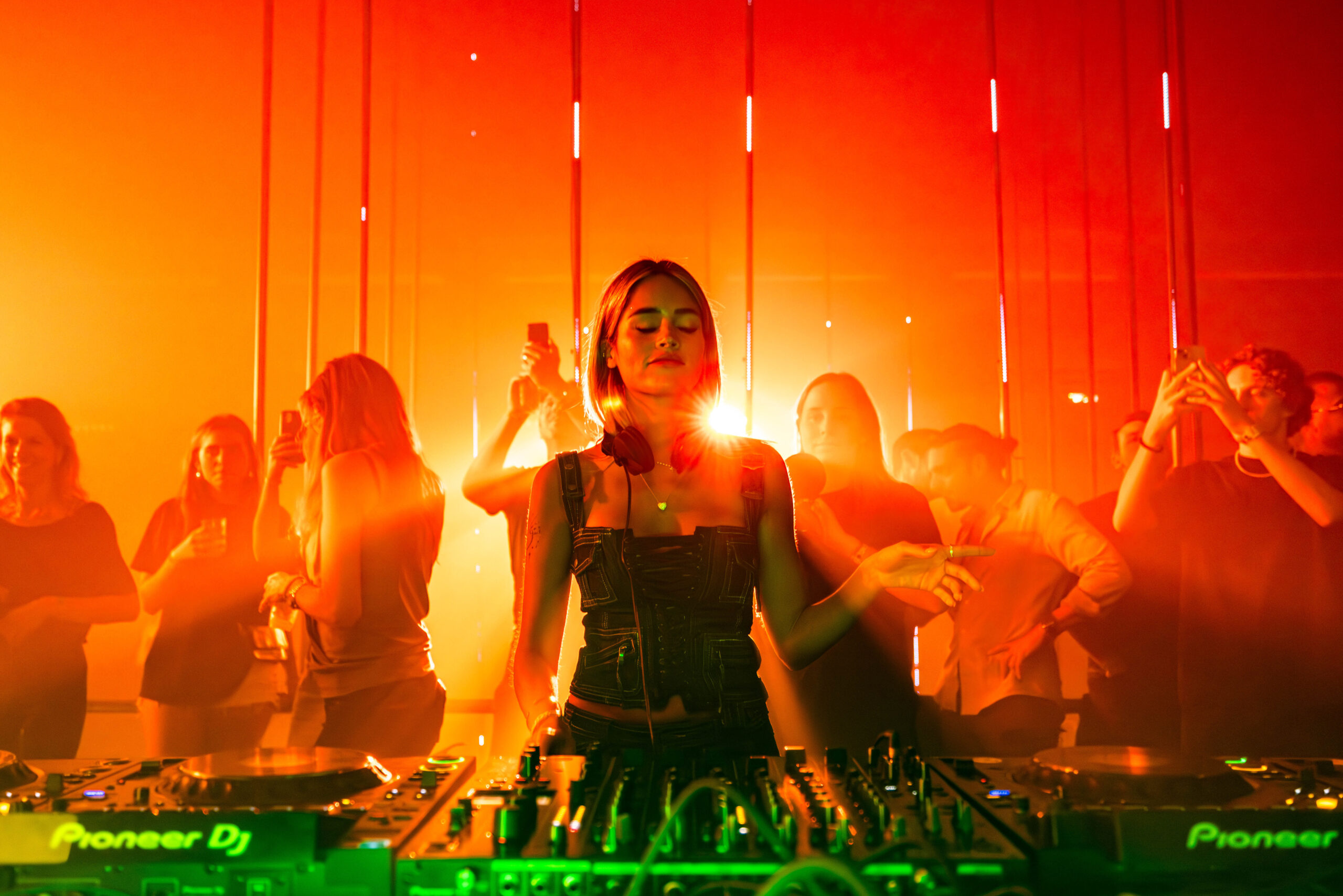

If you have ever tried to practice a club set on a tiny controller and thought, this is not the same thing, you are not wrong. The best CDJ setup for home is not just about owning flashy gear. It is about building a rig that feels close enough to a booth that your muscle memory, track prep, and confidence all carry over when it counts.
For most DJs, that means balancing three things at once: realism, space, and budget. You want the workflow of a proper media-player setup, but you probably do not need a nightclub install in your spare bedroom. The smart move is to choose a home CDJ setup based on how you actually DJ, not on what looks best in an Instagram clip.
What the best CDJ setup for home really needs
A true CDJ-style setup starts with separate media players and a standalone mixer. That is the big difference from an all-in-one controller. With separate pieces, you get the layout, spacing, screen workflow, and hands-on habits that better match club gear.
That said, the best setup is not always the most expensive one. If you mostly practice transitions, cue points, phrasing, and library management, you may not need top-tier flagship players. If you are preparing for club bookings where you expect to see Pioneer DJ or AlphaTheta media players and a familiar mixer layout, then getting closer to that standard matters more.
At minimum, a home CDJ rig should include two media players, one DJ mixer, monitoring, headphones, storage media for your music, and the right cables. A lot of buyers focus on the players first, then get stuck using weak speakers or an entry-level mixer that bottlenecks the whole experience. The setup works best when the pieces make sense together.
Start with the players, but choose based on your real use
If your goal is club-style practice, two media players are the foundation. For most home DJs, the sweet spot is a pair of prosumer or performance-focused players rather than the biggest flagship units on the market.
Flagship players give you larger screens, more performance features, and the closest possible match to a high-end booth. They are great if you are a working DJ who wants near one-to-one familiarity at home. The trade-off is obvious: cost. For many home users, that money might be better split across better monitors, a stronger mixer, and maybe even a case or furniture upgrade.
Mid-tier players usually make more sense for home. You still get USB playback, modern track navigation, performance controls, and a layout that feels serious, but without turning your practice room into a five-figure project. If you are moving up from a controller, this category often hits the best value point.
There is also the used, open-box, or clearance route. For home setups, that can be a very smart play if the gear is from an authorized source and backed by proper warranty terms when applicable. It is one of the easiest ways to get closer to your dream setup without paying full freight for every piece.
Two players or four?
Two players are enough for almost every home DJ. They cover standard mixing, serious practice, and most recording needs. A four-deck setup is fun, but unless your style depends on layered performance mixing, it often eats up budget and desk space that could be better used elsewhere.
If you think you want four decks eventually, buy a mixer that can grow with you first. You can always add players later.
The mixer matters more than a lot of people think
A weak mixer can make a good pair of players feel underwhelming. The crossfader and channel faders matter, of course, but so do the EQ curves, sound character, cue section, effects workflow, and overall layout.
For a home CDJ setup, a 2-channel mixer is enough if you are focused on straightforward mixing and keeping costs under control. A 4-channel mixer is the better long-term move if you want room to add turntables, samplers, or extra players later. It also gives you a more familiar club-style layout if that is your end goal.
This is one of those areas where it depends on your path. If you are mainly a house, techno, or open-format DJ practicing standard set building, a solid 2-channel mixer can be perfect. If you bounce between formats or plan to build out a more advanced room, 4 channels are worth the extra spend.
Mixer effects are another decision point. Some DJs want onboard color effects and beat FX because that mirrors what they use in booths. Others barely touch them and would rather put the money toward better players. Be honest with yourself here. Buying features you do not use is one of the fastest ways to overspend.
Speakers, headphones, and why your room changes everything
A lot of home setups fail at the last step. The players and mixer look great, but the sound is coming through cheap desktop speakers in a reflective room. That is not just less fun. It makes it harder to judge blends, low-end balance, and energy.
For most home DJs, studio monitors are the better choice than PA speakers. They are easier to place in smaller rooms, more practical at lower volumes, and generally better for detailed listening during long practice sessions. PA speakers can make sense if you also use the setup for house parties, event prep, or mobile DJ rehearsal, but they are often overkill for apartment or bedroom use.
Headphones still matter just as much. A proper pair of DJ headphones with strong isolation helps you cue accurately without cranking your monitors. If you practice late or share walls with neighbors, your headphones may become the most important part of the setup after the mixer.
And then there is the room itself. Even a great setup can sound messy in a small untreated room with bad speaker placement. You do not need a studio build-out, but putting monitors at ear level, creating some distance from walls, and avoiding a bare reflective corner can improve your experience fast.
Three smart home CDJ setup paths
There is no single best CDJ setup for home because not every DJ is solving the same problem. Most buyers fit into one of three lanes.
The club-prep setup
This is for DJs who want the closest possible transition from home to booth. You want two modern media players and a mixer with a familiar club-oriented layout. The goal is repetition. USB in, browse, cue, mix, perform, repeat.
This path costs more, but it pays off if you regularly play out or are actively preparing to. You are buying confidence and consistency more than specs on paper.
The value-first setup
This is the sweet spot for a lot of home users. You choose capable media players that give you standalone workflow and pro-style layout without chasing every flagship feature. Pair them with a good mixer and solid monitors, and you get a setup that feels serious without blowing the whole budget.
This option usually delivers the best overall value because it avoids the common mistake of overspending on players and underspending everywhere else.
The expandable setup
If you cannot buy everything at once, build in stages. Start with two players and a mixer that has room to grow. Then add better monitors, a recorder, a third deck, or turntables later.
That route is often smarter than forcing a giant one-time purchase. Financing can help with bigger-ticket gear too, but even then, it is worth thinking about what you actually need now versus what can wait six months.
Small details that make a big difference
The best home setup is not only about the major pieces. It is also about the stuff that keeps the whole system reliable and comfortable.
A stable table or DJ stand matters more than people expect. CDJ-style players and mixers take up space, and cramped placement gets old fast. Cable quality matters too, especially for power and audio runs. You do not need anything exotic, but you do want dependable connections and clean organization.
USB workflow is another big one. If your goal is booth readiness, practice the same way you plan to play. Export playlists properly, test your drives, and avoid building a setup that only works when everything is tethered to a laptop if that is not how you will perform out.
Recording is worth considering as well. A lot of DJs build a home rig for practice but end up using it for livestreams, promo mixes, and content. If that is part of your plan, think ahead about outputs, interfaces, and monitoring.
How to spend your money wisely
If your budget is limited, do not chase the most expensive players first. Build a balanced system. A good pair of media players with a mixer you trust, solid headphones, and decent monitors will usually beat a top-heavy setup where one piece eats the budget.
This is also where buying from a specialist retailer helps. High-consideration gear purchases are different from impulse buys. You want authorized dealer protection, real warranty support, fair financing options if you need them, and people who understand why one mixer or player ecosystem may fit you better than another. That is the kind of support we care about at The DJ Hookup because this gear is supposed to make your DJ life better, not more confusing.
If you are building the best CDJ setup for home, think less about bragging rights and more about repetition. The right setup should make you want to practice, help you trust your ears, and feel familiar the second your hands touch the controls. Buy the rig that matches your next step, not somebody else’s wishlist.