
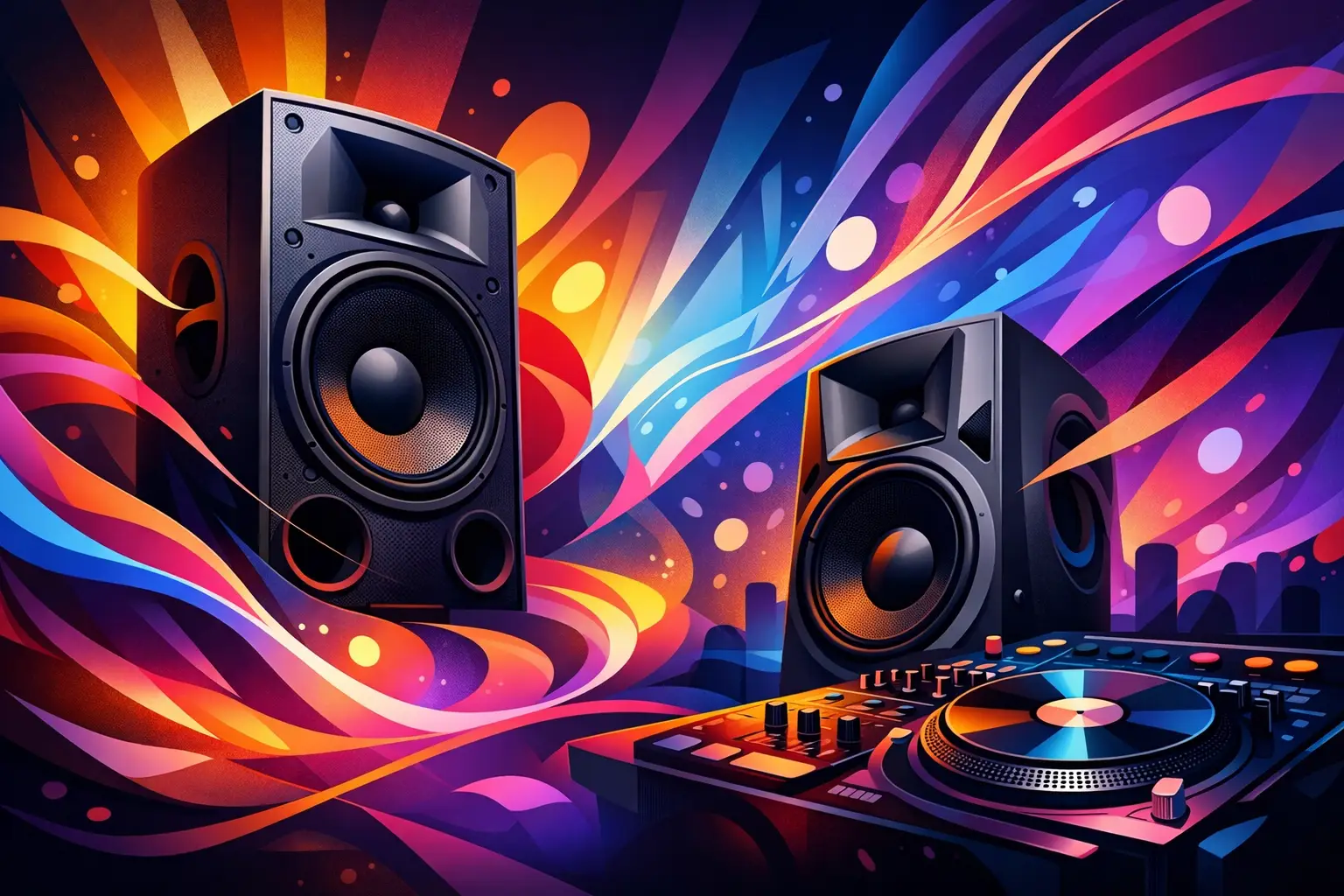
A PA can make you sound expensive or make you sound like you showed up underprepared. That is why choosing the best PA speakers for DJs is less about chasing the loudest box and more about matching your gigs, crowd size, and setup style to the right system.
If you are a mobile DJ doing weddings every weekend, your needs are not the same as a club DJ who occasionally handles private events. A compact powered speaker that feels perfect for cocktail hour can fall apart once the dance floor fills up. On the flip side, a huge rig with dual subs might look impressive but can be overkill, harder to transport, and slower to set up. The right choice lives in that middle ground where performance, portability, and budget actually line up.
What makes the best PA speakers for DJs
For most DJs, powered speakers are the obvious starting point. They are easier to transport, faster to deploy, and simpler to troubleshoot because the amp is built in. Unless you are building a larger modular live sound rig, passive speakers usually add complexity without giving most mobile or event DJs a clear advantage.
The first thing to look at is output, but not just the biggest watt number on the page. Peak power ratings are marketing-friendly. Continuous performance, max SPL, and how the speaker holds together at real gig volume matter more. A speaker that stays clean when pushed is worth a lot more than one that gets harsh the second the room gets lively.
Driver size matters too, but not in a one-size-fits-all way. A 10-inch top can be a great fit for smaller parties, ceremonies, and tighter setups. A 12-inch speaker is often the sweet spot for DJs because it gives you useful low-end without getting too bulky. A 15-inch top can work well if you want more bass from the mains, but it can also get heavier and less balanced once you add subs into the picture.
Then there is DSP, which is one of those features that sounds boring until it saves a gig. Built-in processing can help with EQ voicing, limiting, crossover settings, and protection. Some speakers also give you app control, onboard mixing, and delay options. That matters if you run ceremonies, satellite speakers, or mixed event spaces where flexibility pays off.
Matching your PA to the gigs you actually take
A lot of DJs buy for the biggest event they imagine instead of the events they book every month. That usually leads to either overspending or dragging too much gear into rooms that do not need it.
If you mainly play weddings, school dances, birthday parties, and corporate events for 50 to 150 people, a pair of quality 12-inch powered tops is often the best entry point. You will get enough output for most rooms, manageable weight, and decent versatility. Add a sub later, and that same rig becomes much more capable for dance-heavy sets.
If your calendar leans toward larger receptions, Latin nights, open-format dance sets, or events where bass matters, you should plan on a subwoofer from the start. Tops handle clarity. Subs handle impact. Asking your mains to do both at higher volume usually means less clean sound and more listener fatigue.
For ceremony work, cocktail hour, and ultra-portable setups, smaller speakers have a place. Not every job needs a full dance rig. Sometimes the best move is having a lightweight secondary system that gets in and out fast, especially if you handle multiple audio zones.
Best PA speakers for DJs by setup style
The easiest way to shop is by use case, not just brand.
For beginner and budget-conscious DJs
If you are building your first real sound system, look for a pair of powered 12-inch tops from a trusted pro-audio brand. This setup gives you room to grow without locking you into a tiny speaker you will outgrow in six months. Entry-level buyers often focus on price alone, but reliability matters just as much. A cheaper speaker is not really cheaper if it lets you down during a paid event.
Brands like QSC consistently stay in the conversation because they balance sound quality, durability, and long-term value. You may pay more up front, but you are usually buying less risk.
For working mobile DJs
This is where premium 12-inch tops and at least one quality sub make the most sense. If you are doing regular weddings and private events, this combination covers a huge range of rooms while keeping transport realistic. Two subs can make sense for bigger dance floors, but one good sub is often enough for many common event spaces.
You also want to think about pole mounting, cabinet weight, and how quickly you can get everything loaded in. A speaker that sounds amazing but wrecks your back every Saturday gets old fast.
For bigger rooms and bass-heavy events
When you know the crowd wants to feel the low end, start with subs and build upward. In these situations, your tops are there to project vocals, detail, and overall clarity while the subs do the heavy lifting. Many DJs make the mistake of buying larger tops when what they really needed was better low-frequency support.
Dual 18-inch subs paired with strong 12-inch or 15-inch tops can be the right move for high-energy dance events, larger banquet halls, and outdoor jobs. The trade-off is obvious – more output, more weight, more space needed in the vehicle, and more time spent setting up.
Why subs change everything
A lot of the time, the conversation about the best PA speakers for DJs should really include subwoofers. Without one, your tops are covering too much range. That can make the whole system sound strained once the volume climbs.
Adding a sub usually improves more than just bass. Your tops get cleaner because they are no longer trying to reproduce deep low frequencies at the same level. Vocals sharpen up. Highs feel less edgy. The overall system sounds more confident.
That does not mean every DJ needs two huge subs for every event. Smaller weddings, background music sets, and compact rooms may not need that much low-end reinforcement. But if dancing is central to what you do, a sub is not an extra. It is part of the job.
Features worth paying for and features you can ignore
Cabinet construction, handles, grille strength, and real-world durability matter more than flashy extras. DJs move speakers constantly. You need cabinets that survive load-ins, weather changes, and the occasional careless bump from a guest or venue staffer.
Bluetooth streaming is nice for casual playback, but it should not be the reason you buy a PA speaker. App control can be genuinely useful if it gives you fast access to mixer settings, EQ, and system tuning. Integrated mixers are handy for smaller jobs, though many DJs will still run everything from a controller or external mixer.
Preset voicings can be helpful, but they are not magic. A good box in the right room with proper placement beats a heavily processed speaker in a bad position every time.
Placement matters almost as much as the speaker itself
Even the best system can sound rough if you set it up poorly. Get your tops above head height whenever possible. Keep them ahead of the microphones to reduce feedback. If you are using subs, think about symmetry and coverage instead of just shoving them wherever there is floor space.
Room shape changes everything. A long narrow room needs different coverage than a wide banquet hall. Outdoor events need more output because you lose the natural reinforcement walls provide. This is why there is no single best PA for every DJ. There is only the best fit for your typical event profile.
How to avoid buying the wrong PA
The most common mistake is underbuying. DJs pick a speaker that sounds fine in a bedroom or small shop demo, then realize it cannot keep up with a real dance floor. The second mistake is overbuying a giant rig that is exhausting to transport and unnecessary for most events.
Try to buy one level above your current minimum needs if your calendar is growing. That gives you room to take better-paying gigs without replacing your whole system immediately. At the same time, be honest about what you can carry, store, and set up efficiently.
Financing can make a better system more realistic, especially when you are buying gear that will be used to earn money. And if you are comparing brands and models, authorized dealer support matters more than people think. Warranty coverage, real product knowledge, and the ability to shop with confidence are part of the purchase, not side notes.
For a lot of DJs, the best path looks something like this: start with two quality powered 12-inch tops, add one sub when dance gigs increase, then expand to a second sub or larger system only when your bookings justify it. That setup path is practical, scalable, and a lot smarter than chasing specs without a plan.
Good PA speakers do more than get loud. They make your mixes hit the way they should, help clients feel the value of what they booked, and let you walk into a room knowing your sound is covered. Buy for the gigs you want to keep winning, not just the price tag that feels easiest today.